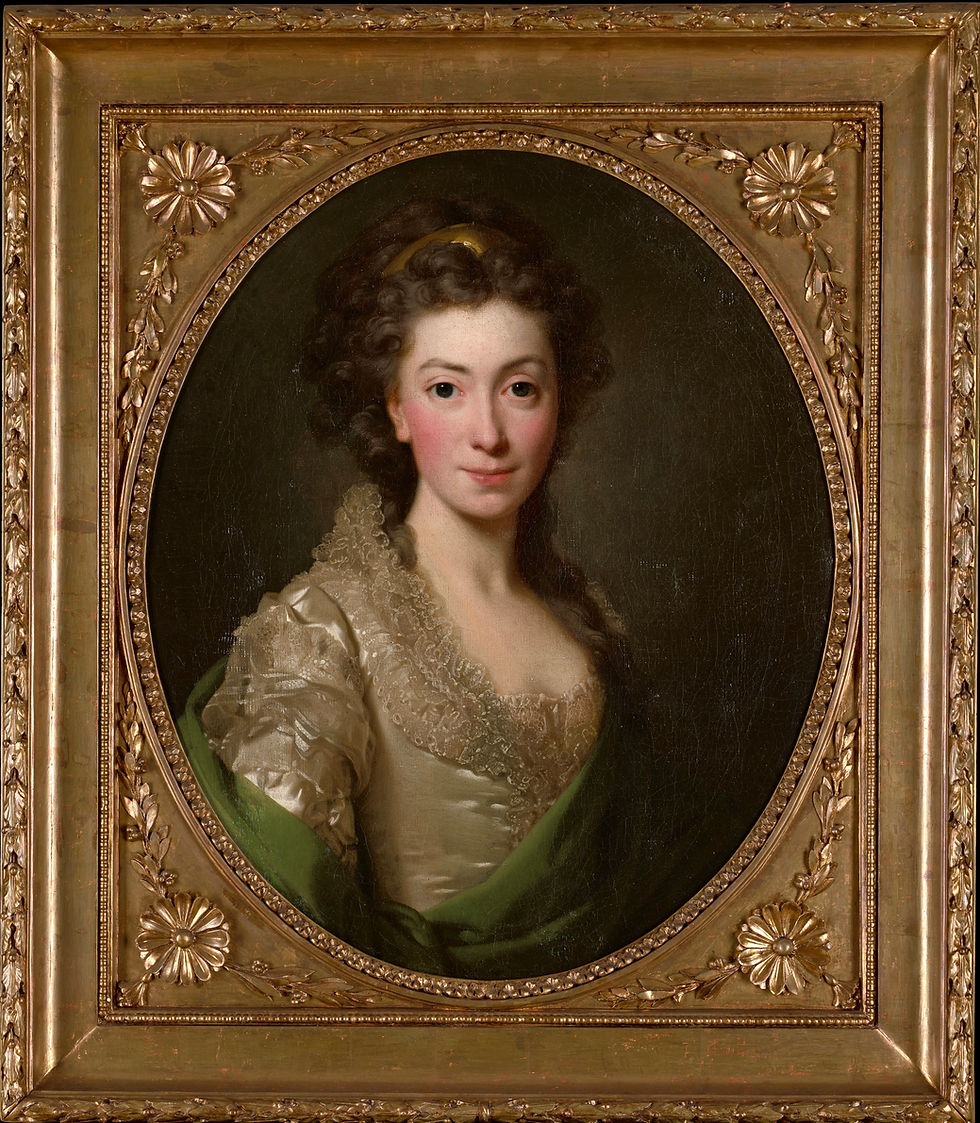
Immersing Yourself in the World of 18th-Century Aristocratic Women in Poland.
- czytamszeptem
- Aug 14, 2025
- 4 min read
The 18th century was a time of great change in Poland — a period marked by political upheavals, a flourishing of culture, and the emergence of influential figures. Among them were aristocratic women who played a crucial role in shaping society. They were not merely passive observers; they actively participated in the cultural and political life of their era.
In this blog post, we will look at the lives of these remarkable women, their contributions, and the unique challenges they faced. We will also explore how their influence extended beyond their immediate surroundings to the wider circles of Polish society.
The Role of Aristocratic Women
Aristocratic women in 18th-century Poland held a unique position. They were often educated and had access to resources unavailable to most women. This education allowed them to take part in intellectual discussions and cultural activities.
Many of them were patrons of the arts. They supported writers, artists, and musicians, helping to develop a vibrant cultural scene. For example, Princess Izabela Czartoryska was a well-known figure who turned the Puławy Palace into a cultural hub. She invited artists and intellectuals to her court, creating a space for creativity and innovation.
These women also played a significant role in politics. Although they could not vote or hold public office, they influenced decisions through their relationships with powerful men. They often advised their husbands or fathers, using their social skills to navigate the complex political landscape.
Education and Intellectual Pursuits
Education was a key element in the lives of aristocratic women. Many received formal schooling, which was rare for women at the time. They studied literature, philosophy, and languages, gaining knowledge that enabled them to engage in intellectual conversations.
For example, the writings of women such as Maria Konopnicka and others contributed to literature and philosophy, challenging prevailing norms. Their works often reflected the struggles and aspirations of women, giving voice to those who were usually silenced.
Moreover, salons became popular in 18th-century Poland. These gatherings allowed women to host discussions on topics ranging from politics to literature. Salons provided a space where women could express their ideas and opinions, fostering a sense of community among the aristocracy.
Social Expectations and Challenges
Despite their education and influence, aristocratic women faced significant challenges. Society had clearly defined expectations for them. They were seen primarily as wives and mothers, with their main duty being to support their families.
Marriage was a central aspect of their lives. Many were married off as part of political alliances rather than for love. This practice limited their freedom and autonomy. For example, the marriage of Princess Izabela Czartoryska was arranged to strengthen political ties, regardless of her personal feelings.
Women were also often judged by their ability to manage the household and raise children. This pressure could be overwhelming, as they were expected to balance public and private life seamlessly.
The Impact of Aristocratic Women on Society
Aristocratic women in 18th-century Poland were not confined to the domestic sphere. They had a significant impact on society as a whole. Their involvement in cultural and political life helped shape national identity.
One example was their role in the Bar Confederation — a political movement aimed at defending Poland’s independence. Women such as Maria Walewska supported the cause, using their influence to gather support and resources. Their contributions during times of crisis demonstrated resilience and commitment to their country’s future.
These women also used their wealth to support charitable endeavors. They founded schools, hospitals, and orphanages, addressing social needs and improving the lives of the less privileged. Their philanthropy reflected compassion and a desire to bring about positive change.
The Legacy of Aristocratic Women
The legacy of 18th-century aristocratic women in Poland is profound and lasting. Their contributions to culture, politics, and social life laid the groundwork for future generations. They challenged the norms of their time and paved the way for the ongoing fight for women’s rights and education.
Today, we can see the influence of their actions in modern Poland. The struggle for gender equality and women’s rights continues, inspired by the pioneers of the past. Their stories remind us of the strength of perseverance and the power of women in shaping history.
Conclusion: A Lasting Influence
The world of 18th-century Polish aristocratic women is a fascinating chapter of history. Their lives were full of challenges, yet they achieved prominence and left a mark on culture and politics.
Reflecting on their accomplishments, we recognize the importance of their legacy. They remind us that women have always played an essential role in society — often in ways that went unnoticed. Their stories inspire us to keep striving for equality and to celebrate women’s achievements throughout history.

y delving into the lives of these remarkable women, we gain a deeper understanding of the complexities of their era.
Their strength, intelligence, and determination still resonate today, inspiring us to honor their legacy and strive for a more just future.


Comments